Johann Wolfgang von Goethe, a prominent figure in German literature and one of the most celebrated writers of the 18th and early 19th centuries, is often depicted in various portraits that capture different aspects of his persona. The images of Goethe present a fascinating case study in how artistic representations can vary and shape our perception of a historical figure.
How many Johann Goethe there are?
Throughout his life, Goethe sat for numerous portraits by different artists, resulting in a diverse range of images that reflect the various stages of his life and career. Some portraits portray him as a young and dashing figure, exuding confidence and charisma, while others depict him in a more contemplative and introspective light, reflecting his deep philosophical and literary pursuits.
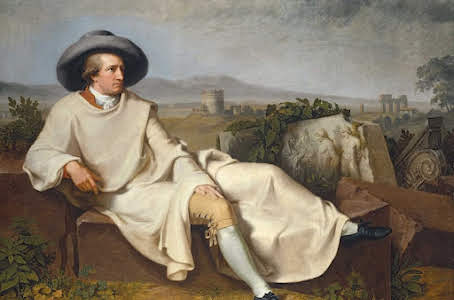
One of the most iconic images of Goethe is the portrait by Johann Heinrich Wilhelm Tischbein, known as “Goethe in the Roman Campagna.” This portrait captures Goethe in a contemplative pose, surrounded by the idyllic landscape of the Roman countryside. It conveys a sense of introspection and intellectual curiosity that was characteristic of Goethe’s personality and creative spirit.
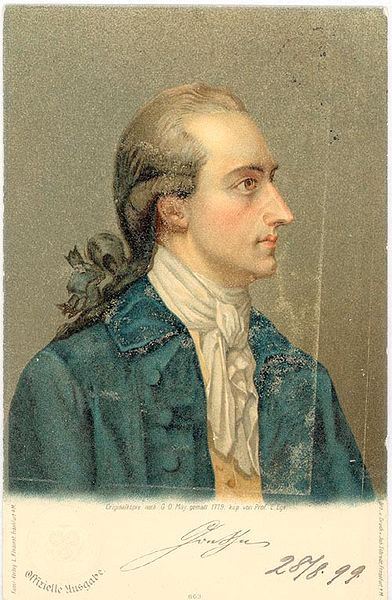
Another famous portrait of Goethe is the one by Georg Oswald May, which portrays him with a more somber and serious expression, emphasizing his role as a literary titan and cultural icon. This portrait highlights the intensity and depth of Goethe’s work, as well as his enduring legacy in the world of literature.
While these images of Goethe may vary in style and interpretation, they all contribute to our understanding of this complex and multifaceted literary figure. By studying the different portraits of Goethe, we can gain insights into his evolving persona, his impact on literature and culture, and the enduring fascination that he continues to inspire in readers and scholars alike.
An (alternative) AI vision of Goethe
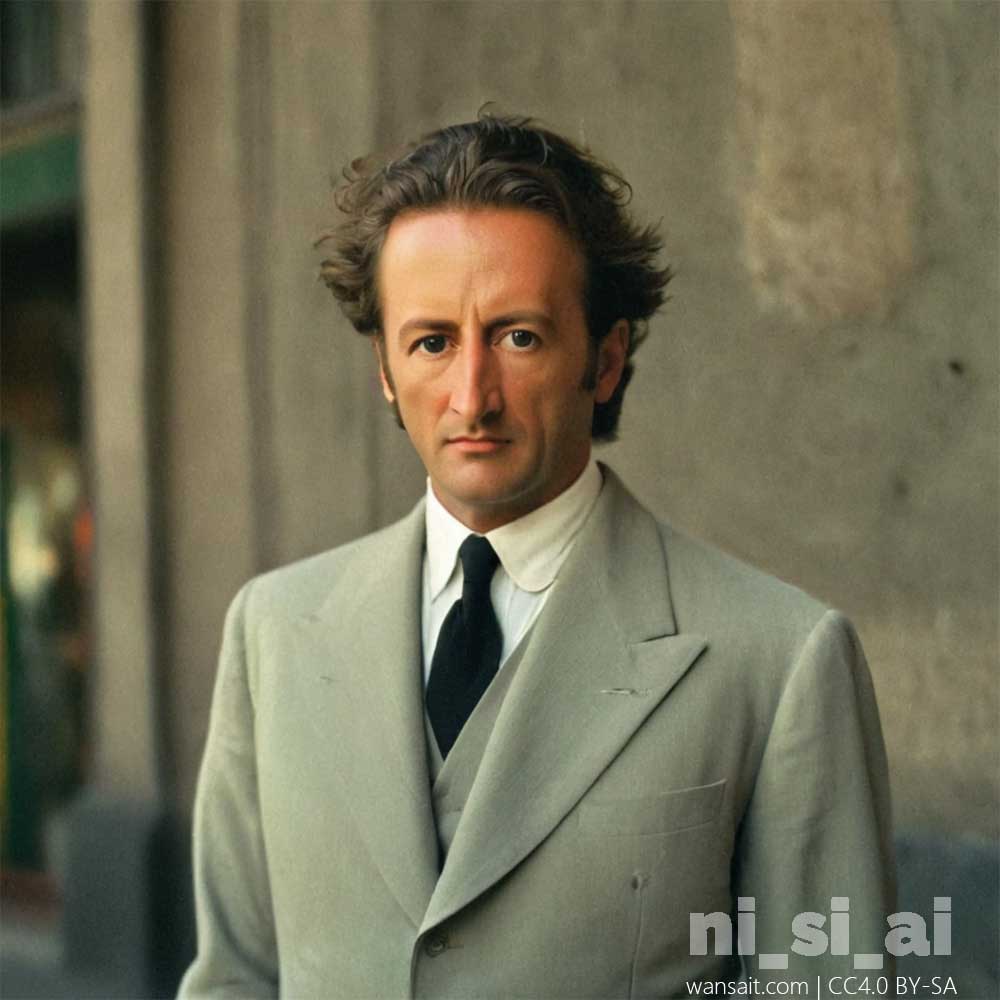
The Possible Portraits Project
Project Title: Possible Portraits
In the hallowed halls of ancient libraries, where parchment whispered secrets and ink flowed like lifeblood, the ghosts of great writers linger. Their words, etched into scrolls and codices, have transcended time, but their faces remain veiled in mystery. What if we could glimpse the visages of these literary titans? What if they walked among us today, their pens still poised to shape our world?
The Vision:
“Possible Portraits” is an audacious artistic endeavor that seeks to breathe life into the spectral forms of ancient writers. Through the magic of AI-generated images, we aim to resurrect these literary luminaries, placing them squarely in our contemporary reality. Imagine Homer strolling through a bustling city square, Shakespeare sipping coffee at a corner café, or Sappho gazing wistfully at a smartphone screen.
The Process:
- Data Alchemy: Our team scours historical texts, biographies, and folklore to extract every morsel of information about these writers. Their physical descriptions, mannerisms, and quirks become the raw materials for our digital alchemy.
- AI Incantations: Armed with neural networks and algorithms, we invoke the spirits of creativity. Our AI conjures portraits, weaving together fragments of historical art, facial features, and speculative nuances. The result? A gallery of “possible” faces.
- Brushstrokes of Imagination: Our digital artists take the AI-generated canvases and infuse them with character. They add laughter lines, furrowed brows, and twinkling eyes. Each portrait becomes a blend of historical accuracy and artistic interpretation.
- The Unveiling: In galleries and public spaces, we exhibit these “possible portraits.” Visitors can gaze upon the faces of Plato, Murasaki Shikibu, or Rumi, pondering the lives they might lead in our era.
The Disclaimer:
- These images are not photographs of the actual writers. We make no claims of historical accuracy or veridicity.
- The project is an artistic exercise, akin to biographical movies. Just as actors portray historical figures, our AI brushes paint on the canvas of imagination.
- No warranties exist regarding the authenticity of these portraits. They are whispers from the past, rendered anew for curious minds.
Impact:
“Possible Portraits” bridges epochs. It invites readers, scholars, and dreamers to engage with ancient literature in a visceral way. As we gaze into the eyes of Virgil or Hypatia, we connect across centuries. Their words echo louder, their stories resonate deeper. Perhaps, just perhaps, they’re not entirely lost to time.
“The past is never dead. It’s not even past.” – William Faulkner
Discover more from Sic Tranzit
Subscribe to get the latest posts sent to your email.